Unsubscribe Culture: How to Stay in a World Built to Leave
We have perfected the art of clean exits. From emails, people, and even ideas. But when leaving becomes this easy, how do we know what’s still worth staying for?
For someone who prides himself on keeping a near-zero inbox, I was pleasantly surprised to discover Gmail’s new ‘Manage Subscriptions’ button. The era of hunting down hidden unsubscribe links (buried in fine print, disguised as plain text) was over.
A few bittersweet clicks later, I felt a vague sense of unease. Not the usual satisfaction after unsubscribing. Not earned. What had I achieved with this? Digital hygiene or over-pruning?
The Seduction of Clean Breaks
Not everyone measures control in ‘no unread’ messages on Gmail. Many are happy to ignore hundreds of unopened emails, mute WhatsApp groups, and unfollow social media accounts that don’t spark anything. Different people, different rituals. All are attempting to tidy the noise in their lives.
The unsubscribe button offers something rare in modern life — immediate, unambiguous control. Over emails, promotional messages, YouTube channels, and so much more. Over anything that doesn’t fit our lives anymore.
It doesn’t help that our lives now rely on short-term rentals — cabs, houses, music, data storage, and more. We have internalised the subscription model and celebrate transience as a way of life: less is more. Minimalist homescreens, 2D logos, muted colour palettes, and nude lipsticks – the aesthetics of absence. A philosophy of ‘discard anything that doesn’t spark joy’.
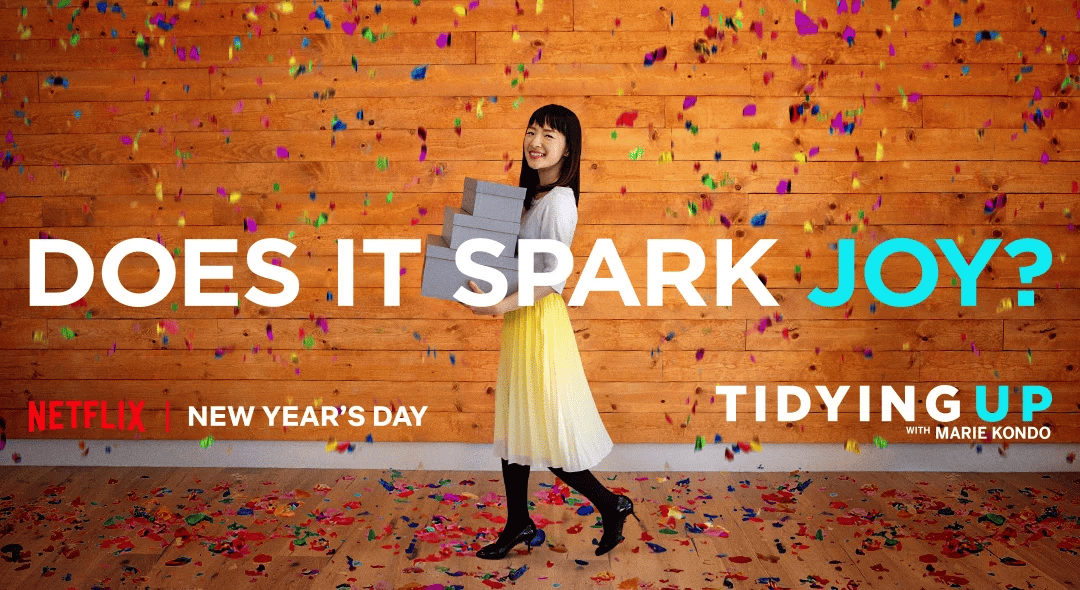
Marie Kondo’s ‘KonMari’ method of decluttering has gone far beyond the physical realm. Today, people ‘KonMari’ their friend lists, inboxes, all in the name of mindful consumption and positivity. Image Credit: Netflix
Digital minimalism began as a form of self-defense against an increasingly intrusive world. But, somewhere along the way, clean inboxes stopped being tactical retreats and became our worldview. The result? We have gotten very good at leaving everything, including people.
When the Digital Leaks into the Real
We unsubscribe from spam and creators who start to feel cringe. Then, from group chats that get awkward and run clubs that don’t vibe. From dating apps where no one seems to be “my type”. Even from exes, ex-friends, ex-colleagues. Barely conscious.
Our everyday language has also adapted to this change. We don’t explain why we’re not interested. We simply ghost. We don’t give clarity on a relationship. We coast on situationships. (Read my essay on how we love to assign a name to everything) Many of us now feel validated with Instagram reels that say it’s okay to lose a close friend every few years. Our lives are now a series of subscriptions on which the plug can be pulled at any minute.
This isn’t about judgment. It’s about how we are becoming uncomfortable, almost allergic to staying. The perpetual escape hatch means easy detachment. No explanations. Clean. Clinical.
But beneath this ease lies the question: if leaving never costs anything, how do we know what could be worth staying for?
Opting out Creates Cultural Deafness
We tell ourselves we’re exiting to make space. For better content. Better relationships. Better versions of ourselves. We have a positive and fashionable word for this — curation.
Here is the paradox: the more we unsubscribe, the smaller our world becomes.
What began as discernment has devolved into the reflex of curation.

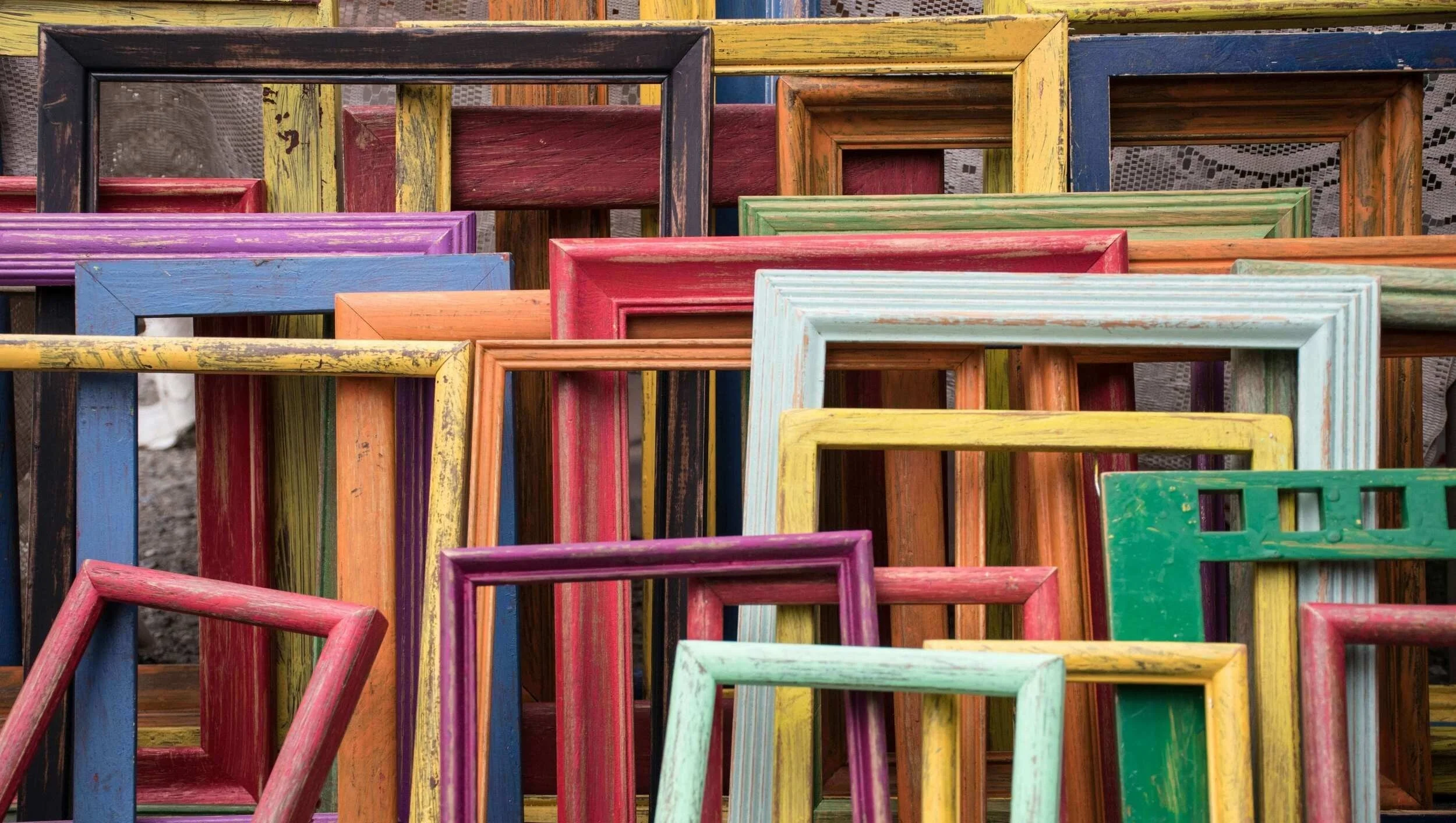
We are building private art galleries of our lives, where the lights shine brightly on fewer and fewer items. The result isn’t class. It’s emptiness. Image Credit: John Liu/Unsplash
We unfollow a creator who says something off-brand, mute a channel that gets too political, and avoid a newsletter that challenges us. The algorithm learns as it tightens the circle of content, feeding us more of what we like. This is double jeopardy. We are less likely to see this kind of content now and in the future.
Opting out for peace of mind isn't neutrality. And withdrawal isn't wisdom. A button celebrated for choice has atrophied our ability to sit with discomfort, making us more fragile and segmented. Unlike the click of a button, real life doesn’t have an unsubscribe option.
This is about more than a person’s choices. It’s about the sum total — it’s cultural. When the default mode is exit, we don't just lose shared experiences; we lose shared reality. Unsubscribing was about drawing a line in the sand. Now, it’s about building thicker walls in shrinking rooms. Because ‘unsubscribe culture’ doesn't make us more discerning. It makes us more isolated.
This is what cultural deafness looks like. We refuse to listen to anything that doesn't already sound like us. A far cry from the digital detox it started as. Encouraging misinformation, polarisation.
Develop Subscription Literacy
Unsubscribing less misses the point. So does martyring yourself at the altar of incoming content. It’s time to develop subscription literacy: knowing what deserves attention and what doesn’t. That’s real discernment.
Unsubscribing is easy. Staying open takes work. Here is how you can get better at it.
Stay subscribed for a bit longer before opting out, even if it makes you uncomfortable. Ask yourself, “Why am I leaving?” It could be a perspective you don’t share, a voice or worldview that pinches, or something that makes you think differently. Discomfort is where growth can happen.
Take a chance and resubscribe. Long enough to give it another chance. Because leaving isn't final. We can change our minds. Maybe the content has improved, or it wasn’t so bad after all. Maybe it wasn’t for you then, but it could be now.
Subscribe to something random. It could be an anime review channel, a newsletter about scientific innovations, a blog about a country not on your bucket list, or a YouTube channel of an Indian trucker as he drives across India. Let serendipity back into your life. Make curiosity a signal, not noise.
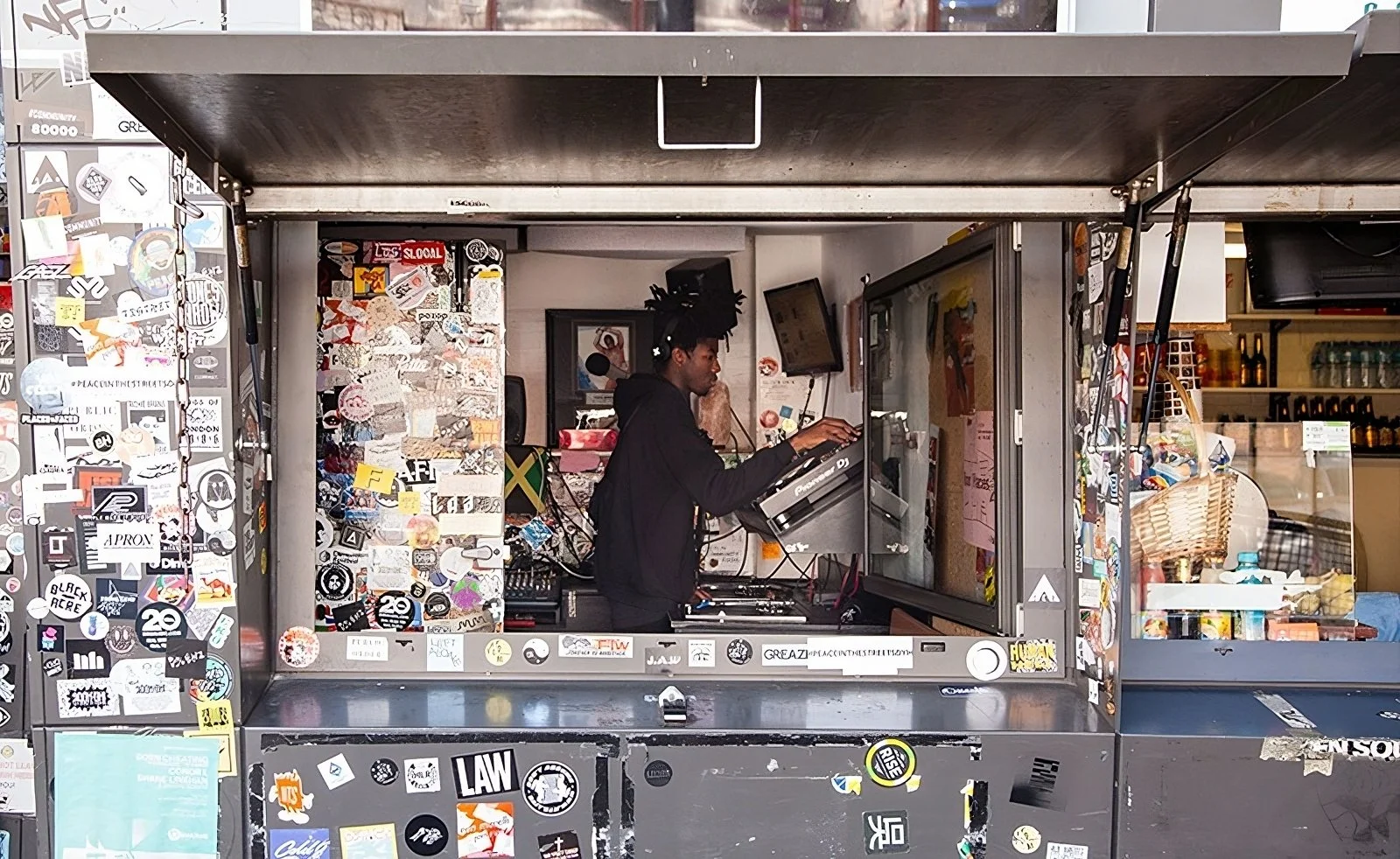
NTS is a popular online radio station that broadcasts globally from a sticker-infested studio in London. It’s an anti-algorithm and focused on manual human discovery of genres. Despite having a free version, people choose paid subscriptions for better features and to support independent artists. Image Credit: NTS/Scene Noise
So unsubscribe when you need to, but don’t let it become the default move in your arsenal.
Perhaps the goal is not an empty inbox, but a more meaningful one. Because a busy inbox means the world is still trying to reach you. Will you let it?
Because the things that change us are rarely the ones we can leave cleanly.
