The Emotional Glitch Beneath Seamless Design
We have outsourced friction in pursuit of perfectly scheduled lives. But when software begins to manage our most human connections, we need to ask ourselves: What are we losing in the process?
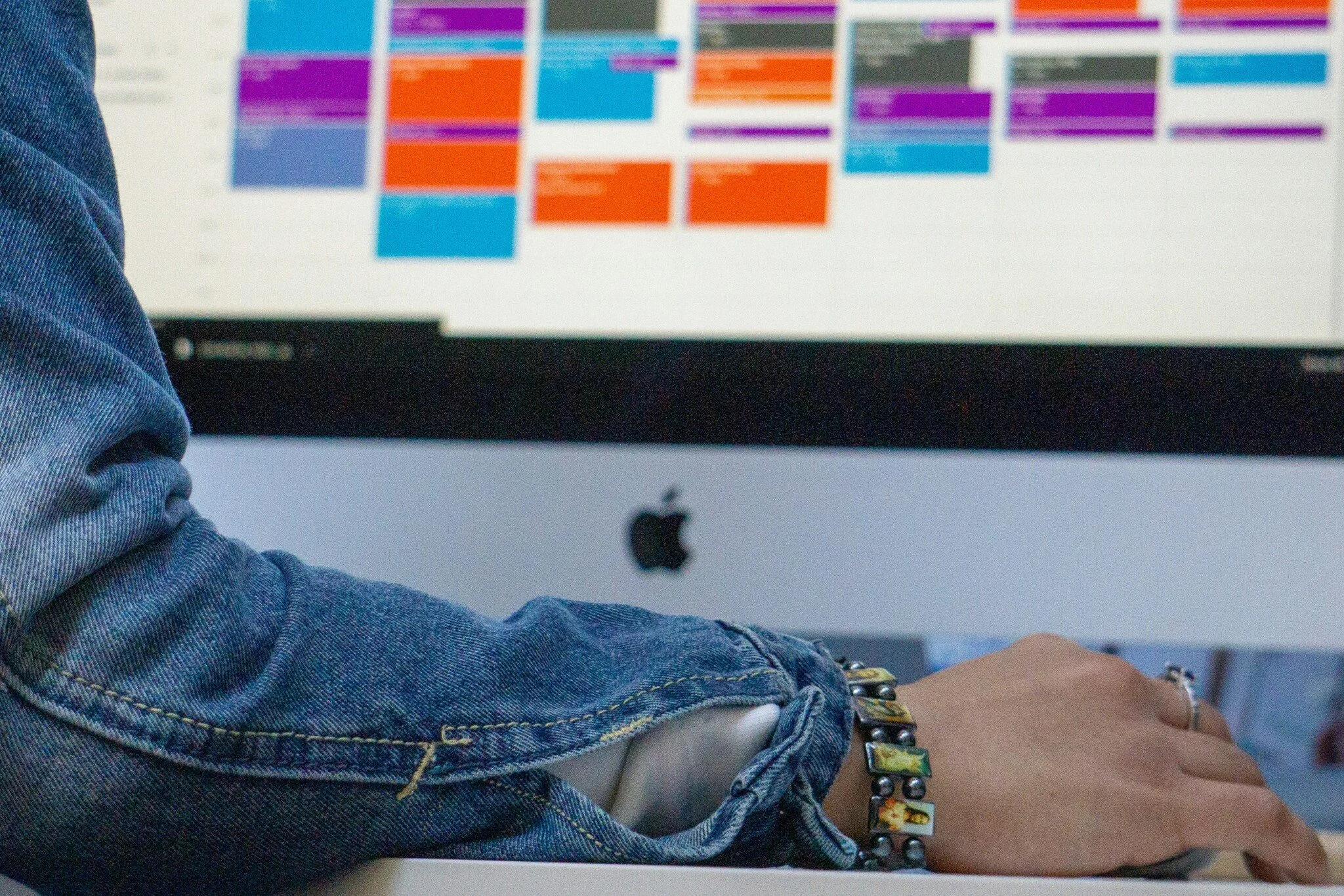
A few weeks ago, I attempted to reconnect with an old friend. Despite two decades of knowing each other, we had fallen into an infrequent funk of meeting. What he said surprised me — “Block my calendar, else we won’t meet”. The surprise wasn’t in my anger at his statement but in the understanding that this makes a lot of sense. If a calendar doesn’t mark the event, did it even happen? Conversely, is it even worth going for?
The irony is not lost on me. The software that has come in the middle of our friendship seems to be the very one that will supposedly save it. So what if it’s a blocked slot in an already packed week? But the bigger question is — since when did relationships require digital validation to exist in the real world?
When What We Design Starts Designing Us
I’m not one for resisting structures. I don’t Notion my life, but I do appreciate the regular calendar blocks to ensure time with family, calls with friends, and personal tasks. But lately, it has started to feel as if the tools that are designed to make our lives easier are now dictating how we look at life. If a calendar is blocked for a party from 8-11 PM, one gets an indescribable itch at the back of one’s head when the time passes. Have we become Cinderellas, afraid of the experience beyond the allotted time, meaning nothing? Or worse, wrong?
This itch is our moulded minds telling us that we are redesigning our emotional bandwidth to fit into designated time slots. Modern tools, UI, and UX have made our lives more seamless. We can supposedly do more with the reduced friction these tools offer. The question remains: if we’ve gained so much, what have we lost? In our quest for optimisation, have we inadvertently optimised ourselves out of certain things as well? Creating a binary distinction of a moment where it is either productive or an acceptable distraction?
It is important to realise that most of these tools we rely on (think productivity and meeting tools, not so much social media) are built for usability, not emotion. Their neutrality (or not) is a design choice. So, if we are drawing our emotional bandwidth from this system, our stray, unplanned emotions are rewired in our brain as bugs. Because tech doesn’t feel, even though we do. Yet, we increasingly operate in systems that don’t reflect the emotional weight of our decisions. Cancelling a therapist appointment, missing a friend’s birthday, scheduling a farewell with a friend moving cities — emotions of these moments are all flattened in the same way to end up with: “Add to Calendar”.
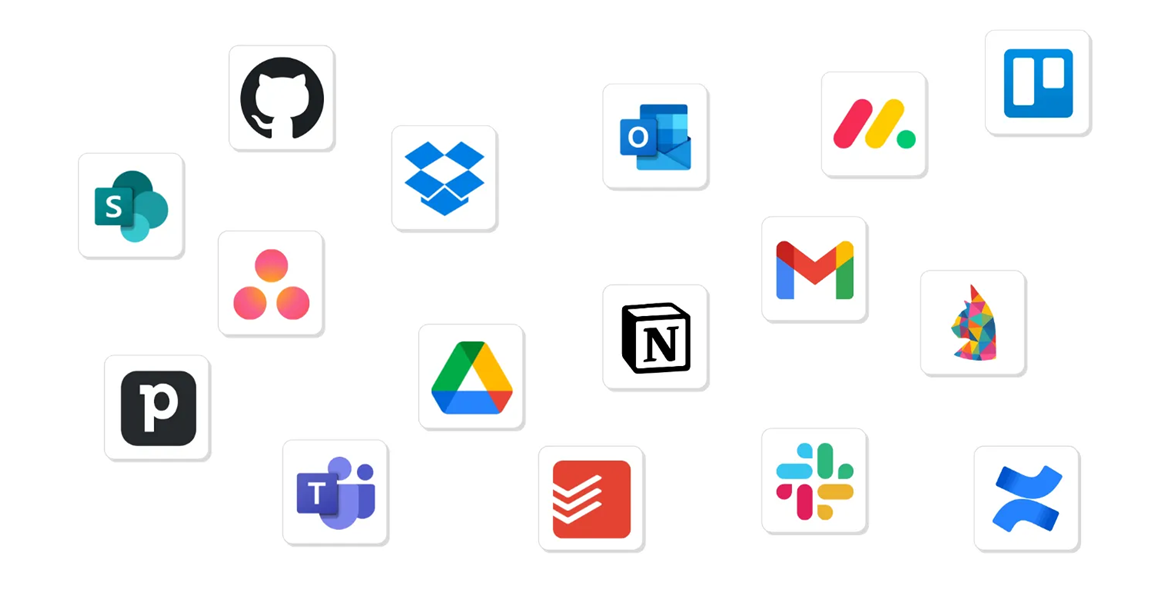
These are just some of the productivity apps used by people. The growth is driven by business and personal users. Image Credit: Medium
But life doesn't work like that. These apps are no longer just tools surrounding our lives. They've become the infrastructure of our lives. We move through calendars, ride-shares, digital payments, and messaging platforms to get to the moments that supposedly matter. When these interactions are designed to be emotionally neutral, they subtly train us to feel less during the in-between moments. Not by intention, but by accumulation.
So, how do we categorise the moments that stay in the crevices of one's empty calendar blocks? Because they, too, just like our emotions during specified time slots, have to hurtle towards an emotional resolution. 10 minutes left till the next call starts. Better resolve your issue by then. But emotions spill over far more than poorly planned calls. This lingering tension is the fight between optimising and containing your thoughts.
The Paradox of Digital Control
Control over your digital life is a common topic found on mindfulness YouTube videos, Instagram productivity gurus, and generous Reddit knowledge sharers. Personally, I (mostly) use digital blockers for my social platforms. I’ve even gone a step further to disable all non-human notifications (If you’re interested in trying the same, here’s what I watched for inspiration). That cool, timely copy reminding me to order from my favourite restaurant — don’t get it. The reminder that the cab I may just book tomorrow has some discount — don’t see it. All the “machine” pings designed to keep me engaged have been turned off.
But this control is paradoxical. With so much disabled, leisure should be a well-deserved break. Deserved. Earned. I began this activity by thinking I was fighting distractions. Now it seems I’ve tidied up my feelings. Not compartmentalised, but removed some. Giving it terms like ‘bed rotting’ (Read my piece on our problematic relationship with labelling everything) helps stabilise the emotional messiness in our minds. Is this the silent cost of optimisation?
It doesn’t help that productive time warrior Cal Newport has been speaking of 40-hour designated work weeks as 60-hour productivity since 2013. These approaches and frameworks promise efficiency and more peace of mind, but omit the emotional tax they actually impose. Am I squeezing more work into less time, only to find myself emotionally drained in my carefully scheduled ‘leisure’ blocks?
These productivity systems aren’t just personal choices. They embody deep cultural values of time itself. For example, the Japanese hate even being a minute late, as it’s a sign of disrespect. Indians casually mention Indian Standard Time as 15 minutes after the agreed time. Because in India, time bends around people. In France, meals are long and sacred. Yet, caesium-precision time recognises none of these nuances. In a world where time is compressed into one universal constant, it’s about being always synced, barely a few seconds off. One operating system. Precise. Performative. Even old school mechanical and automatic watches seem to fall by the wayside when it comes to efficiency, so they’ve taken on a more status symbol rather than telling time. Because they, like us, don’t manage time. They manage us. And when so much is working for (read against) you, how do you take back control?

Casio, a quartz giant, is launching its first-ever mechanical watch series in 2025, after 51 years of existence. Image Credit: Casio
Small Acts of Resistance
Every action should necessitate an equal and opposite reaction, on the condition that we see the action itself. Nowadays, I find myself pushing back. Inserting a bit of friction back into my life. I leave a week unblocked. Make meetings happen impromptu. A sudden trip to the mall. A random call to an old friend living abroad, taking the risk of no pickup. Including my calendar-blocked friend. And sometimes, he answers.
It isn’t efficient, nor does it leave room for things in my control. But it feels human. The not knowing before the serendipitous reply arrives. Those, and the ones where one hears a ‘no’ or a phone ringing away, are also what make life worth living. So that we don’t sacrifice every uncertainty at the altar of efficiency.
In a culture that treats optimised performance as the pinnacle of achievement, maybe the quietest rebellion is to let time pass without asking what it has produced. To reclaim the messy, unpredictable emotional mindscape that no digital tool can fully capture. We may end up being surprised by what comes out of it.
